Idea, AI, Human
Did we almost launch an AI campaign with Sinful?
Our Nordic Thinking philosophy tells us that great advertising still begins the same way: with an idea.
But the creative process around that idea is changing rapidly, and in our recent collaboration with Sinful for their Swedish market expansion, generative AI became an important part of how we developed, tested and refined the campaign before entering production.
Not as a shortcut or a replacement for creativity, but as a tool for reducing uncertainty and strengthening the final execution.
Building a campaign for Sinful in Sweden
The challenge was clear: how do you launch a sex toy brand in Sweden without relying on the category clichés that often dominate the industry?
Our strategic direction was built around Swedish cultural codes. Instead of positioning sex toys as provocative products, we reframed them as an extension of wellbeing, relationships and everyday happiness.
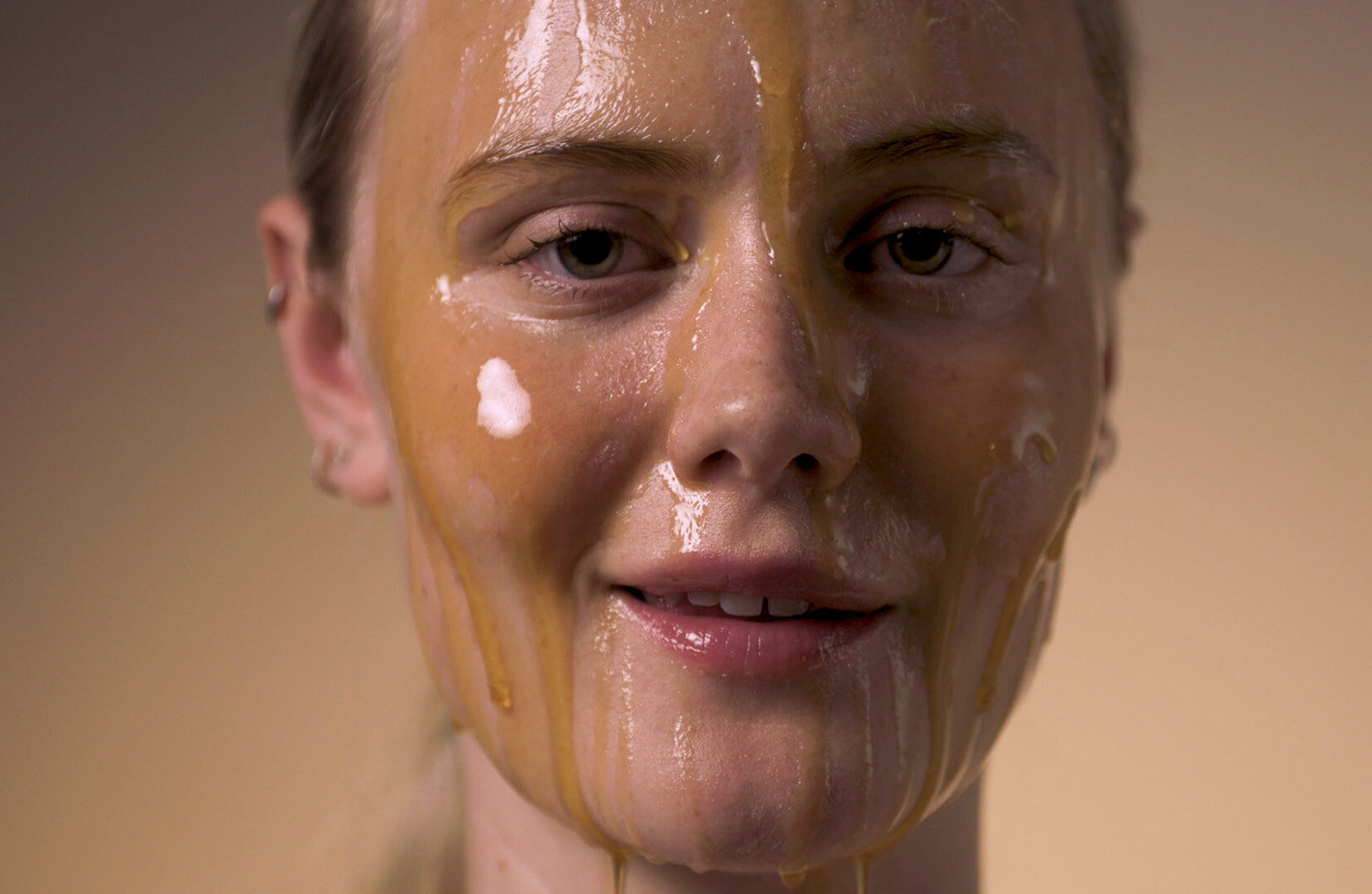
Research showed that nearly 70% of Swedes have tried intimate or pleasure-related products. Rather than dramatising the category, we connected that insight with familiar everyday pleasures many Swedes already enjoy: bathing, honey, self-care rituals and moments of calm.
The result became a playful and approachable communication platform grounded in familiarity rather than provocation.
Where AI changed the process
Before any cameras were turned on, we used GenAI to prototype and visualise the campaign universe. It changed the process significantly.
Instead of debating abstract creative directions internally, we were able to test tone, aesthetics, compositions and emotional reactions early. AI allowed us to pressure-test the idea before entering expensive production phases, helping align stakeholders, reduce risk and create clarity around what was actually working.
No more banned ads
For Sinful, this mattered even more.
The category is highly sensitive, particularly in Sweden, where advertising around sexuality often faces stricter media scrutiny. Historically, campaigns in the category have risked being rejected, removed or heavily restricted.
Using AI prototypes, the campaign could be shared with media partners and pre-approved before final production began. The technology reduced a significant amount of uncertainty and allowed us to move faster, safer and more strategically.
Why we went with real people
At one stage, the campaign was almost ready to launch entirely with AI-generated material. Technically speaking, it worked, but it lacked something emotionally.
Sinful operates within a deeply personal category where trust, vulnerability and human connection matter tremendously. While AI can generate aesthetics, we wanted the emotional familiarity and subtle imperfections that make people relatable.
So we made a conscious decision that authenticity should define the final execution.
We needed a real person behind the image, not just an average “person” generated by AI. We also wanted full copyright ownership and to avoid the ongoing uncertainty surrounding AI-generated rights.
So we went through a traditional casting process and assembled an incredible cast and production team. Not because AI failed entirely, but because authenticity mattered more.
The future belongs to ideas
By putting the idea first, using AI to test and optimise the concept, and real people to bring it to life, we built a campaign that balanced strategic precision with emotional authenticity.
We don’t want innovation to mean technology leads the narrative. Instead, we want strong ideas coming first, while we know which tools to use to make those ideas even better.